

- By Ali Greplová
- 9. 6. 2026
- Fotografie
Let me ask you a question: what comes to mind when someone mentions the photograph „Napalm Girl“?
For most people, it’s the Vietnam War — and probably the most famous war photograph ever taken: a burned girl running down a road, an image that changed how the world saw the war and sparked a wave of protest around the globe.
What comes to my mind is my teacher.
Jara Slezáková. She became our Czech language teacher in sixth grade. She had a reputation as a very strict teacher and commanded respect among her pupils — sometimes bordering on fear. But she was a remarkable lady with beautiful handwriting and immense knowledge, and nobody could teach Czech literature the way she did. Despite all the apprehension, the two of us simply clicked. I loved her, and she saw something in me that I couldn’t yet see in myself.
One day — I was thirteen at the time — she mentioned in class that the night before, she had seen photographs from the Vietnam War on television. She spoke specifically about the girl burned by napalm and the photograph „Napalm Girl“. She said the images shook her so deeply that she had to turn the television off. That she couldn’t sleep.
It stuck in the mind of a thirteen-year-old girl. Back then, I couldn’t just pull out a phone and google the photograph. But when I finally saw it with my own eyes a few years later, I immediately remembered Mrs. Slezáková and that moment in class.
My teacher left us far too soon. I was still visiting her after university — and then, one day, she was simply gone.
When I typed the name Jara Slezáková into Google out of curiosity, nothing came up about my teacher. She lived in a time when she couldn’t leave a digital footprint — and so none remained. That is why I want to leave that footprint for her. And right alongside the name Nick Ut.
A few weeks ago, a post popped up on my Facebook announcing the first edition of Report Photo Brno. I entered my photographs from Lalibela. What floored me was the jury — five American photojournalists, two of them Pulitzer Prize winners: Nick Ut and Ringo Chiu.
I’ll admit I had my doubts. Report Photo is a competition for documentary and reportage photography. My Lalibela is not reportage in the classic sense. It is not about what is happening. It is about what it means. About light, silence, and a faith that hasn’t changed in eight hundred years. I told myself that my photographs simply wouldn’t fit this brief.
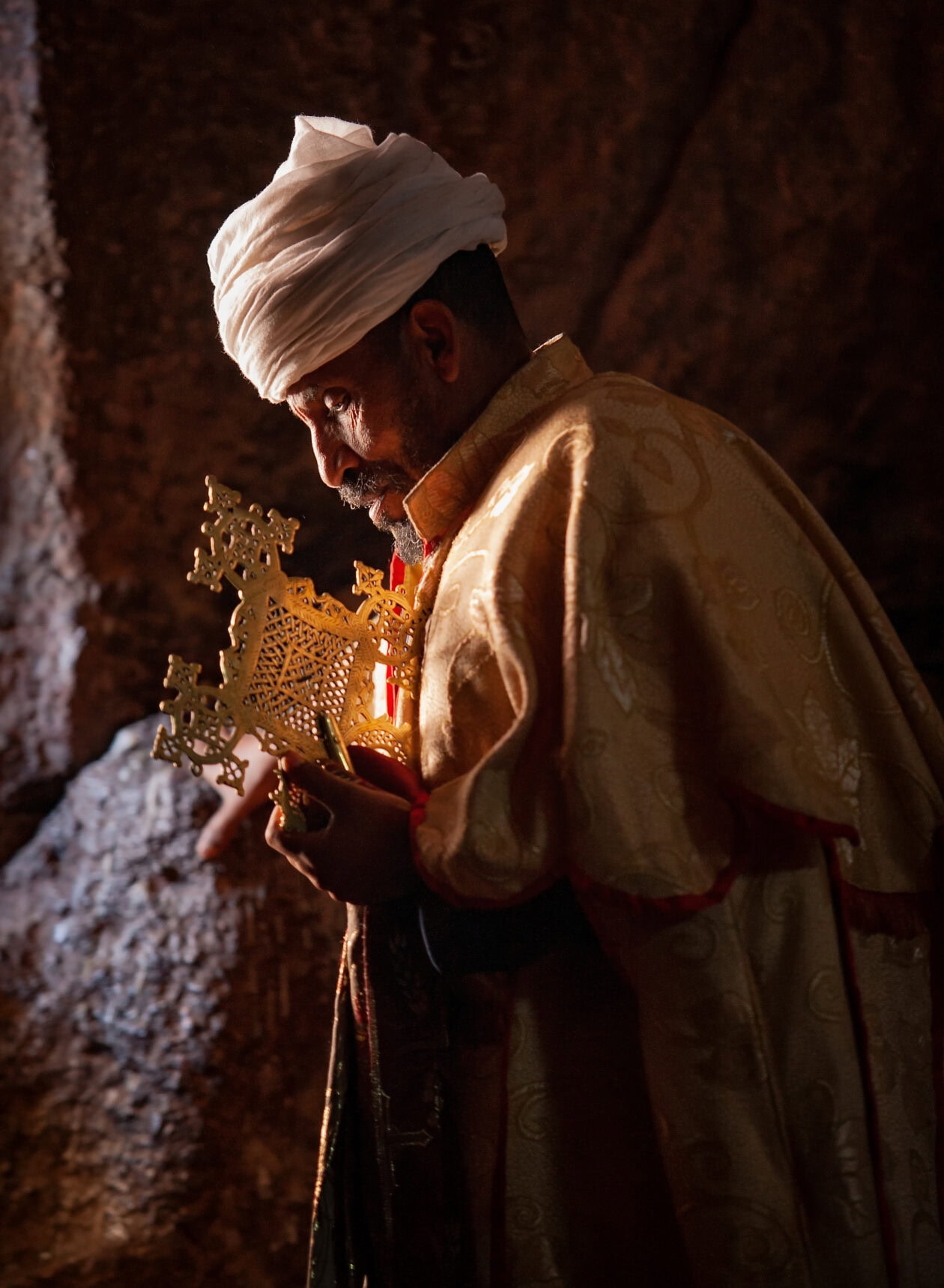
And yet. In that sea of reportage images, one photograph from Lalibela spoke to the jury and won the Jury Prize in the Culture and Traditions category. A photograph that had been lying in my archive for seventeen years.
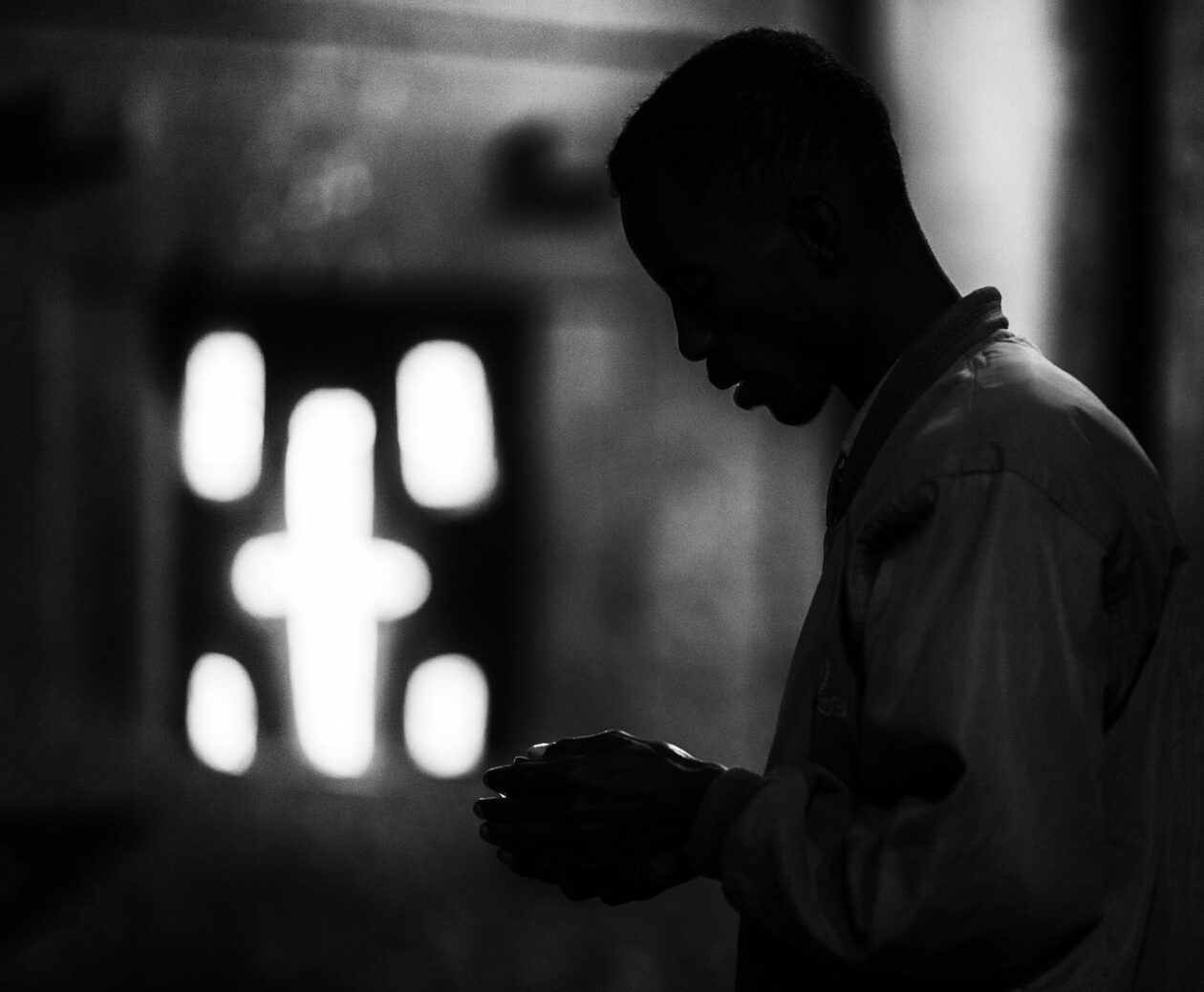
I traveled to Lalibela three years in a row — in 2007, 2008 and 2009. Rock-hewn churches eight hundred years old, a liturgy that has never changed, incense in the dark. I photographed a series I call The Eternal Liturgy. All those years I hoped I would be able to continue. But the situation in Ethiopia never improved — today, travel to Lalibela is strongly discouraged.
I decided it was finally time to show these photographs to the world. They had been sitting in my archive for seventeen years. Perhaps the time has ripened. Perhaps I have too. I show them with deep humility and respect for people whose faith is pure and who have kept it alive for centuries. Many of those I photographed may have already crossed to the other side. And I am here to bear witness that they were here.
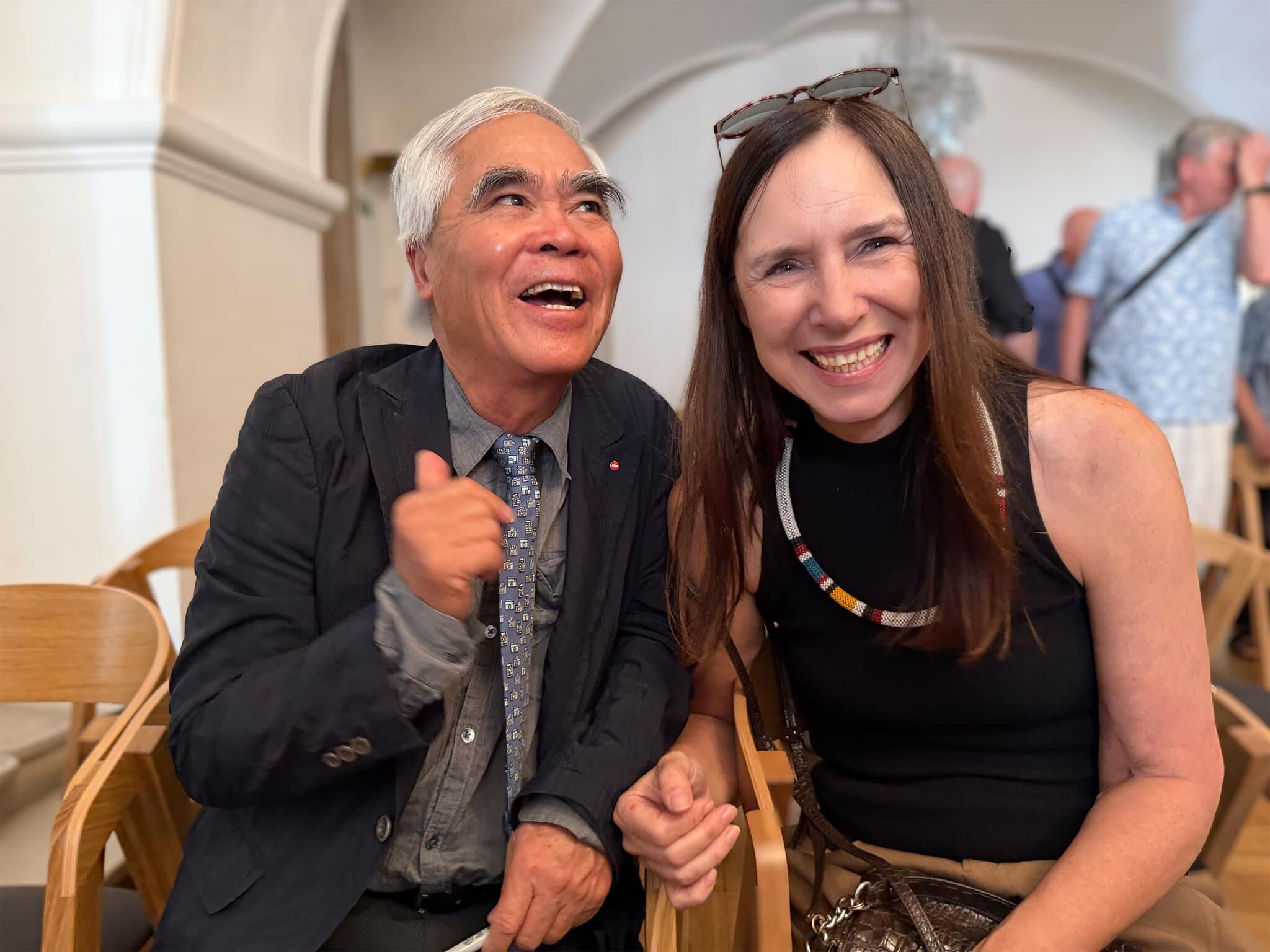
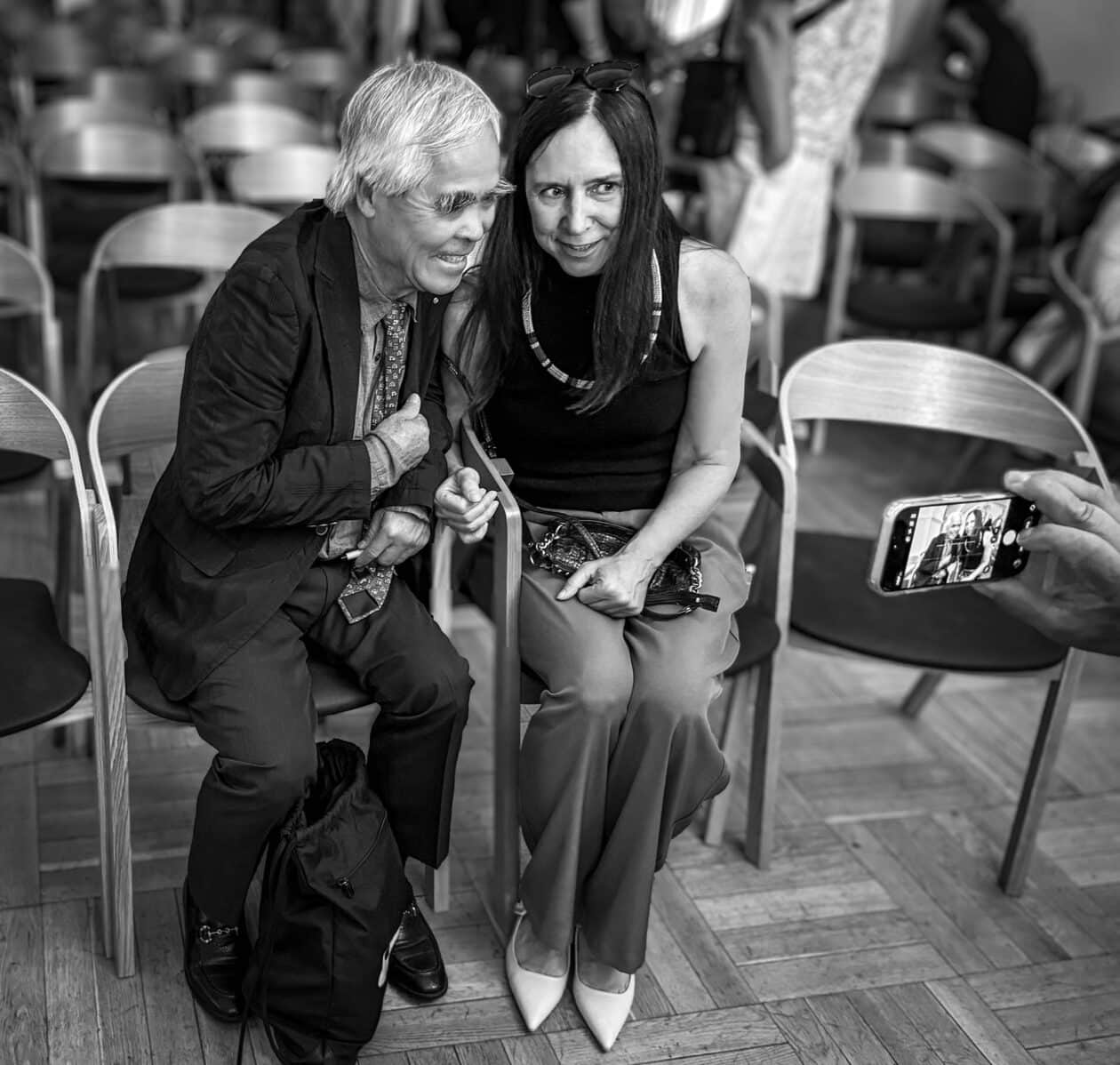
June 7, 2026. The Old Town Hall in Brno.
I sat next to Nick Ut and we talked. A small, modest, immensely kind man with enormous strength of spirit. A man whose single photograph changed the world — and yet so incredibly down to earth.
I was full of emotion. The joy belongs above all to Lalibela, to the people who have carried its message for eight hundred years. But in that moment, someone else resonated within me.
Jara Slezáková. The teacher who, all those years ago, couldn’t sleep because of a photograph taken by this man.
And in that moment it all came together: this is, in fact, a threefold testimony. A testimony to a deep and honest faith that has endured for eight hundred years and that lives in my photographs. To the people of Ethiopia who are the living legacy of an eight-hundred-year-old story. But also a testimony to one teacher who appears in none of my photographs — I carry her deep in my heart. And the most important one — a testimony to the horrors of war, which we must never forget. Because it was one such photograph that once profoundly shook a Czech language teacher, and more than forty years later seated me next to the man who took it. Three testimonies, one circle. And today, that circle has closed.
Photographs from the award ceremony in Brno: Milan von Brünn and Libor Grepl.
The Eternal Liturgy
Lalibela, 2007–2009. Eight-hundred-year-old rock-hewn churches and a liturgy that has never changed. You can view the entire series, including the awarded photograph, here.
View the series